10 Benefits of Fotona Laser Treatments for Healthier Skin
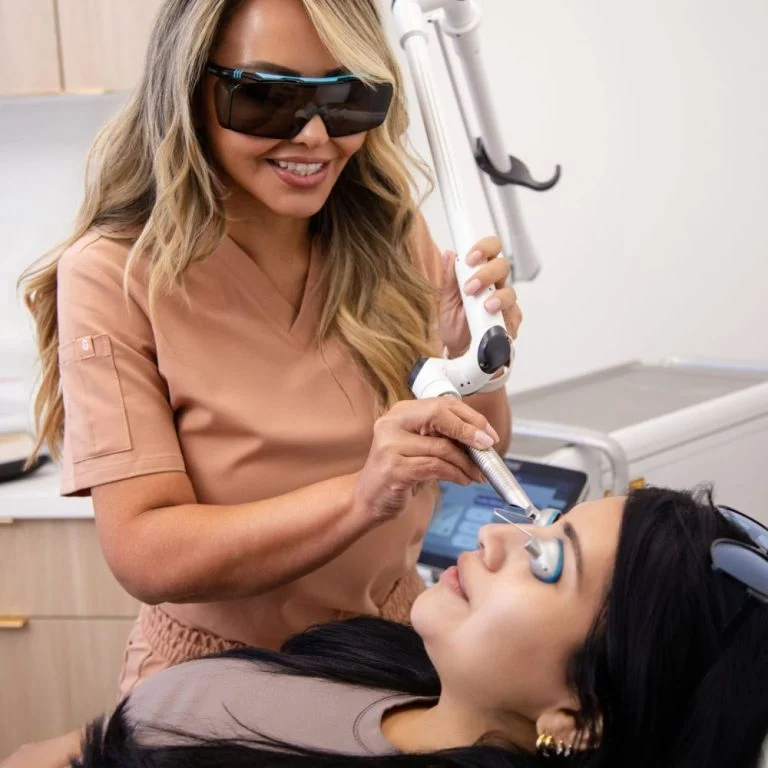
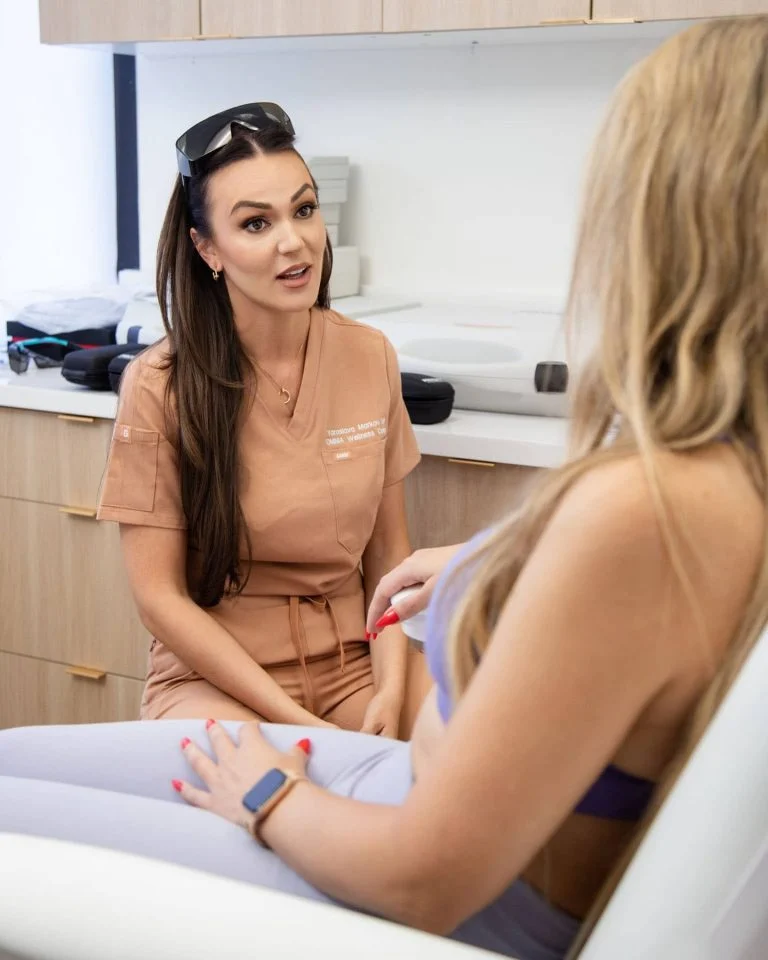
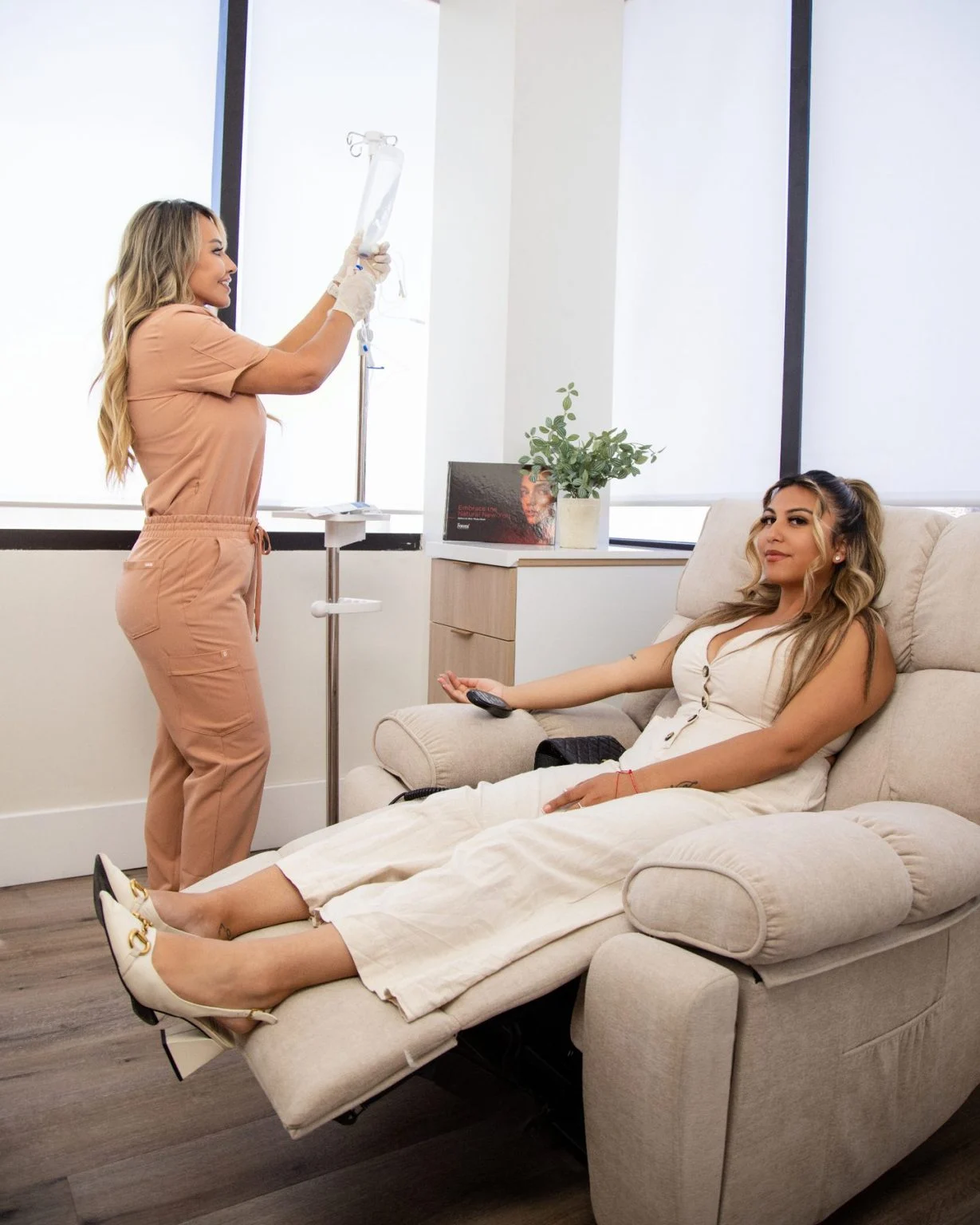
Healthy skin rarely comes from a single miracle treatment. In practice, the best outcomes usually come from choosing the right technology for the right concern, then using it with restraint, timing, and a realistic plan. That is part of the reason Fotona Laser Treatments have earned such a loyal following in aesthetic medicine. They are versatile, precise, and adaptable across a wide range of skin concerns, from early textural changes to stubborn pigmentation and acne scarring.
Fotona is not one machine performing one task. It is a platform with different laser modes and treatment protocols, often built around erbium:YAG and Nd:YAG wavelengths. That matters because skin concerns are rarely one-dimensional. A patient may walk in asking about fine lines, then mention redness, enlarged pores, old acne marks, or laxity along the jawline. A system that can address multiple layers of the skin gives clinicians more room to tailor treatment rather than force every problem into the same template.
The real value, though, is not just technical. It is what those settings can accomplish when they are used carefully: brighter tone, firmer texture, smoother scars, less visible vessels, and skin that behaves more predictably day to day. Here are ten meaningful benefits of Fotona Laser Treatments for healthier skin, with the kind of practical context that actually matters when you are deciding whether they are worth your time and money.
They can improve skin texture without relying on aggressive surgery
One of the biggest reasons people consider laser treatment is texture. Skin can feel rough, uneven, crepey, or simply tired even when there is no major wrinkle or scar. This often shows up first around the cheeks, mouth, and lower eyelids, where repeated movement, sun exposure, and collagen loss start to change the skin’s surface.
Fotona treatments can help by resurfacing the upper layers of the skin or heating deeper tissue to stimulate remodeling. The exact approach depends on the protocol and on how much downtime a patient can tolerate. Some sessions focus on gentle polishing and freshening, while others are more intensive and aim to provoke stronger collagen renewal.
What makes this useful in the real world is flexibility. A teacher who cannot take a week off work may do a series of lighter sessions. Someone preparing for a wedding six months away might choose a more corrective plan with more recovery built in. Either way, smoother skin texture often translates into makeup sitting better, less dependence on exfoliating products, and skin that simply feels healthier to the touch.
They stimulate collagen in a way that looks natural
Patients often ask for tighter skin, but what they usually mean is that they want their face to look less tired, less slack, and less blurred around the edges. They are not necessarily looking for dramatic change. They want their skin to look like itself, just stronger.
This is where collagen stimulation becomes more important than surface glow. Certain Fotona Laser Treatments deliver controlled heat into the dermis, encouraging the skin to repair and rebuild over time. That process is not instant. In most cases, change builds gradually across several weeks to a few months as new collagen forms and tissue reorganizes.
That slower timeline is often a strength rather than a drawback. Results tend to appear more believable because the improvement is progressive. Friends may comment that you look well rested or healthier, not "done." For many adults in their thirties, forties, and fifties, that is exactly the outcome they want.
There is also a practical point here. Natural-looking collagen stimulation tends to pair well with other conservative treatments. If someone already uses retinoids, sunscreen, and occasional injectables, adding a collagen-focused laser can strengthen the overall result without making the face look overtreated.
They can reduce fine lines and early wrinkles
Not every wrinkle needs filler or a surgical plan. Fine lines caused by sun damage, dehydration, repeated facial movement, and age-related thinning often respond well to laser-based resurfacing and remodeling. Fotona can be especially helpful in areas where the skin begins to show fatigue early, such as the crow’s feet, upper lip, and under-eye region.
The mechanism is straightforward. By renewing damaged surface cells and signaling repair deeper in the skin, laser treatment can soften etched lines and improve the way light reflects off the face. Better light reflection may sound cosmetic, but it changes how healthy skin appears. Even before deep wrinkles change dramatically, skin that reflects light more evenly tends to look fresher and less dry.
It is worth being honest about limits. Deep expression lines that are visible at rest may improve, but they do not always disappear with laser alone. In those cases, combination care often makes more sense. Still, for early wrinkles and creasing, Fotona Laser Treatments can make a noticeable difference without pushing a patient toward more invasive options before they are ready.
They help improve acne scars and post-acne texture changes
Acne may clear, but the aftereffects often linger for years. I have seen patients who no longer break out much, yet still avoid bright lighting because rolling scars, enlarged pores, and shallow depressions remain obvious to them. These textural changes can be difficult to treat with creams alone because the issue is structural.
Laser treatment addresses that structure more directly. Depending on the scar type, Fotona can resurface, stimulate collagen, and gradually improve the depth and sharpness of scar borders. Rolling scars often soften over time. Boxcar scars may become less distinct. Even when complete correction is unrealistic, modest improvement can be enough to change how a person feels about their skin.
This is one area where patience is essential. Scar work is usually a series, not a single event. Improvement tends to be cumulative, and the best results come when treatments are spaced appropriately and paired with good acne control. There is little value in resurfacing scarred skin while active inflammatory breakouts are still flaring every few weeks.
For patients with darker skin tones, conservative settings and an experienced operator matter even more. The goal is progress without unnecessary pigment disruption. When that balance is handled well, the benefit is not just cosmetic. Smoother post-acne skin is often easier to care for and less tempting to over-scrub or over-cover.
They can target pigmentation and uneven tone
Uneven skin tone is one of the most common reasons people seek treatment, and for good reason. Brown spots, patchy discoloration, and dullness can make skin look older even when firmness is still decent. Sun exposure is usually the main driver, although hormones, inflammation, and past breakouts also play a role.
Fotona Laser Treatments can help brighten the complexion by addressing damaged pigment-containing cells and promoting skin renewal. The result is not always dramatic after a single session, especially with deeper or hormonally driven pigmentation, but many patients notice a clearer, more even appearance as the treatment series progresses.
This is where expectations need to be managed carefully. Not all pigmentation behaves the same way. A few isolated sun spots on fair skin are a very different challenge from melasma, which can be stubborn and reactive to heat. In melasma-prone patients, treatment must be chosen with caution, and aggressive settings can backfire. Good practitioners know when laser is appropriate, when it should be modified, and when topical management and strict photoprotection deserve more emphasis.
Still, for the right candidate, improved tone can be one of the most satisfying benefits because it changes the entire canvas of the face. Skin looks cleaner, brighter, and https://alexishdna753.capitaljays.com/posts/fotona-laser-treatments-for-men-growing-trends-and-benefits more rested without any change to facial shape.
They can shrink the look of enlarged pores
Pore size is partly genetic, and no treatment permanently erases pores. That said, pores often look larger when the surrounding skin is lax, congested, or rough. By refining the skin surface and supporting collagen around follicular openings, laser treatment can make pores appear tighter and less conspicuous.
This tends to matter most in the central face, especially around the nose and inner cheeks. Patients often describe the change not as "my pores are gone," but as "my skin looks smoother up close." That is a realistic and useful distinction. Most people are not expecting poreless skin. They want less shine-catching texture and better makeup wear.
In practice, pore improvement often shows up best when Fotona is part of a broader skin health routine. Consistent sunscreen, thoughtful exfoliation, and control of oil and acne all support the laser result. When those basics are ignored, people sometimes blame the treatment for not lasting when the real problem is that the skin environment never improved.
They can reduce redness and visible vessels in selected cases
Diffuse redness and broken capillaries can be surprisingly difficult to cover and emotionally draining for patients who feel they always look flushed. Vascular concerns vary widely, from scattered spider veins around the nose to broader background redness across the cheeks. Certain laser wavelengths are designed to target blood vessels selectively, and Fotona can be used effectively in appropriate vascular indications.
This benefit is especially meaningful because redness often affects perceived skin health more than people realize. A person may have smooth skin and minimal wrinkles, yet still feel self-conscious because their complexion appears irritated all the time. Reducing that constant flush can make the skin look calmer, clearer, and less reactive.
There are, however, important nuances. Persistent redness related to rosacea often improves but usually requires maintenance and trigger control. Heat, alcohol, spicy foods, and sun can still provoke flushing even after a good laser response. Patients who understand that distinction tend to be happier with treatment because they view laser as part of management, not a permanent cure for a chronic tendency.
They offer options for tightening in delicate areas, including around the eyes and mouth
The areas around the eyes and mouth age early because the skin is thinner and constantly in motion. They are also difficult areas to treat well. Overaggressive treatment can look unnatural, while undertreatment produces little visible change. A major advantage of the Fotona platform is that it offers protocols suited to delicate zones where precision matters.
For the eye area, carefully selected settings can help with fine crepiness and mild laxity. Around the mouth, treatment may soften smoker’s lines and improve the texture that develops after years of facial expression and sun exposure. Some protocols can also be used intraorally, heating tissue from inside the mouth to support tightening around the nasolabial folds and lower face. Patients are often intrigued by that approach because it works without incisions and with relatively manageable recovery.
This is one of those benefits that sounds subtle until you see it in person. A small improvement in the eye area can make the whole face appear more awake. Slight firming around the mouth can reduce the tired or collapsed look that shows up before deeper sagging sets in. These are not always headline changes, but they can be extremely high-value changes.
They often involve less downtime than people expect
Many people still associate laser treatment with a week of hiding indoors, thick ointments, and obvious peeling. That can be true for some aggressive resurfacing treatments, but it is not the whole picture. One of the practical benefits of Fotona Laser Treatments is that they can often be adjusted to fit different downtime tolerances.
Some patients leave mildly pink for a day or two. Others may have a few days of roughness, dryness, or swelling depending on the intensity and target area. More corrective sessions naturally require more recovery. The point is that there is a range, and skilled treatment planning can often balance visible results with the realities of work, caregiving, travel, and social commitments.
From experience, this flexibility changes who is willing to pursue treatment. Busy professionals, parents of young children, and people who cannot disappear from public view are far more open to laser when they learn there are staged approaches. They may start with conservative sessions, gauge their skin’s response, and build from there.
That said, "little downtime" should never be confused with "no aftercare." Skin still needs careful support after treatment. Heat exposure, hard exercise, active skincare products, and sun must be managed properly if you want a smooth recovery and a good final result.
They can support long-term skin health, not just short-term appearance
The strongest case for laser is not that it creates a temporary glow before an event, although it can certainly help with that. The stronger case is that it encourages healthier skin function over time. Better collagen support, more orderly cell turnover, improved texture, and reduced visible sun damage all contribute to skin that behaves more predictably and looks better with less camouflage.
This long-view approach tends to separate satisfied patients from disappointed ones. People who treat laser as maintenance rather than rescue often get more value from it. They come in before changes become severe. They combine treatment with sunscreen, antioxidants, retinoids when tolerated, and realistic intervals between sessions. Their skin does not just look brighter for a few weeks. It often becomes more resilient and easier to manage month after month.
For younger patients, this may mean addressing acne scarring, pores, or early sun damage before those issues deepen. For older patients, it may mean preserving skin quality even if they eventually choose other treatments for volume loss or sagging. Good skin quality makes every other intervention look better. It is the base layer that supports the rest.
What determines whether the treatment is worth it
Laser outcomes depend less on marketing language and more on judgment. The machine matters, but the plan matters more. The same platform can deliver underwhelming, excellent, or occasionally problematic results depending on diagnosis, settings, skin type, and aftercare.
A few factors consistently shape the experience:
- The right indication. Laser works best when the concern being treated actually matches what the technology can improve.
- The right intensity. More aggressive is not always better, especially in patients prone to pigmentation or prolonged redness.
- The right timeline. Most benefits build across a series or continue developing after the final session.
- The right aftercare. Sun avoidance, barrier support, and temporary product adjustments protect the investment.
- The right clinician. Experience with different skin tones, scar types, and treatment combinations makes a visible difference.
Those details may sound unglamorous, but they are where good results live. A thoughtful practitioner will tell you when Fotona is a smart fit, when another device may be better, and when your skin needs preparation before laser is even considered.
Who tends to be happiest with Fotona treatments
The happiest patients are usually not chasing perfection. They want healthier-looking skin, better texture, less visible damage, and a fresher appearance that still looks like them. They are willing to think in terms of improvement rather than instant transformation. They also understand that healthier skin is a moving target influenced by age, hormones, lifestyle, and sun exposure.
Patients who tend to do well include those with mild to moderate texture changes, enlarged pores, early laxity, diffuse sun damage, selected vascular issues, and certain types of acne scarring. People with very deep folds, heavy lower-face sagging, or severe volume loss may still benefit, but they often need combination treatment to get where they want to go.
The consultation matters here. Skin history, medication use, tanning habits, prior procedures, and even upcoming travel plans can change the recommendation. A person with a history of post-inflammatory hyperpigmentation needs a different approach from someone with resilient fair skin and isolated sun spots. Good laser medicine is individualized medicine.
The larger appeal of Fotona for skin quality
If you step back from the technical language, the appeal is simple. Fotona Laser Treatments offer a way to improve the quality of the skin itself. Not just cover a problem, freeze movement around it, or fill under it, but actually work on the tissue. That is why they remain relevant even as aesthetic trends shift.
Better skin texture, stronger collagen support, softer lines, improved tone, reduced redness, less obvious pores, and more refined scar appearance all add up to something bigger than vanity. They add up to skin that looks healthier because it is functioning more like healthy skin. For many patients, that is the goal that matters most.
When chosen thoughtfully and performed well, Fotona is not just a cosmetic indulgence. It is a versatile clinical tool that can make the skin look clearer, feel smoother, and age more gracefully over time. That is a substantial return from a treatment category that, at its best, rewards patience and precision.
OMNIA Wellness Center
Address: 16430 Ventura Blvd Ste 207, Encino, CA 91436
Phone number: +18183868511
FAQ About Fotona Laser Treatments
What is a Fotona laser good for?
A Fotona Laser system is a versatile, dual-wavelength medical laser used primarily for non-surgical skin tightening, anti-aging rejuvenation, and dermatological treatments.
How much does the Fotona laser cost?
The cost of a Fotona laser depends heavily on whether you are looking to purchase a laser machine for a medical practice or are a patient seeking a laser treatment at a medspa.
Is a Fotona laser worth it?
A Fotona laser treatment is generally worth it if you want non-surgical skin tightening, improved texture, and collagen stimulation with very little downtime.