Fotona Laser Treatments for Skin Laxity and Firmness
Skin laxity rarely arrives all at once. Most people notice it in pieces. Makeup starts settling differently along the jawline. The area under the chin softens. Smile lines seem less like expression and more like resting anatomy. On the body, skin that used to bounce back after weight changes or pregnancy begins to look thinner, looser, and less resilient. That is usually the point when interest shifts from creams and facials to treatments that can actually stimulate structural change.
Among the non-surgical options discussed most often in clinics, Fotona Laser Treatments have earned attention for one simple reason: they are versatile. Rather than relying on a single wavelength or one mode of action, Fotona platforms can combine different laser technologies and treatment modes to address superficial texture, deeper heating, and tissue remodeling in the same overall plan. For patients with mild to moderate skin laxity who want visible firming without surgery, that flexibility matters.
The important part, though, is understanding what these treatments can and cannot do. Better firmness is realistic. A subtle lift can be realistic. Crisper texture, some tightening, and improved skin quality are all common goals. Replacing a facelift is not. The best outcomes come from matching the treatment to the degree of laxity, the skin type, and the patient’s tolerance for downtime.
Why skin loses firmness in the first place
Firm skin depends on several things working well at once. Collagen gives skin structure. Elastin contributes recoil. Hyaluronic acid and a healthy barrier help maintain hydration and plumpness. Beneath that, fibrous septae, fat compartments, muscle movement, and bone support shape how the face and body sit over time.
With age, collagen production slows and existing collagen fragments. Elastin becomes less springy. Sun exposure accelerates both processes. Weight fluctuations stretch tissue. Hormonal shifts, especially around menopause, can noticeably change skin thickness and resilience. Genetics play a role too. Some people develop etched lines first, others lose cheek support, and others notice neck laxity long before the face changes.
That is why “tightening” is never one universal treatment goal. A patient in their late thirties with early lower-face softening has a different problem than a patient in their sixties with significant jowling, platysmal banding, and volume loss. Both may ask for firmer skin, but the treatment approach should be completely different.
Where Fotona fits in the non-surgical landscape
Fotona systems are commonly known for using two laser wavelengths, Er:YAG and Nd:YAG. Each behaves differently in tissue. In practice, this gives experienced providers room to tailor treatment depth and tissue effect. Some protocols focus more on controlled heating to stimulate collagen remodeling. Others add resurfacing or polishing to improve texture, pores, and superficial lines.
That combination is one reason Fotona Laser Treatments are often discussed for the face, neck, and certain body areas. They can be used in ways that aim to improve firmness from within while also refining the skin surface. Not every patient needs both. Some do well with deeper tightening alone, while others benefit from a staged approach that includes surface renewal.
This is also where technique matters more than marketing. A machine does not create a result by itself. Settings, pulse duration, treatment passes, cooling strategies, area selection, and session spacing all affect the outcome. A conservative protocol can be appropriate for a patient who wants little downtime. A more aggressive resurfacing component may be suitable for someone prioritizing texture and willing to accept a few days of recovery.
How laser tightening actually works
Most patients hear “laser” and think of ablation, peeling, or visible resurfacing. Skin tightening often works differently. The basic mechanism is controlled thermal stimulation. Heat delivered to the dermis can trigger collagen contraction in the short term and collagen remodeling over the following weeks and months. That remodeling is the part patients tend to notice gradually. Skin may feel a bit firmer first, then look smoother and better supported later.
Nd:YAG-based tightening approaches are often valued for their ability to deliver heat into deeper tissue while preserving the skin surface. Er:YAG can be used in various modes too, from very light rejuvenation to more obvious resurfacing. Some Fotona protocols use both in sequence, which is why treatment can improve not just laxity, but also crepiness, fine lines, and overall skin quality.
One practical point often overlooked in consultation is that collagen remodeling is not instant. There may be an initial post-treatment tautness from swelling and tissue contraction, but the true effect evolves. Patients who expect dramatic lifting after a single session are usually disappointed. Patients who understand that skin biology takes time tend to be happier because they recognize subtle month-by-month improvement when it appears.
Common treatment areas and what tends to respond best
The face remains the most requested area, especially the lower cheeks, jawline, perioral region, and under-eye area in carefully selected cases. The neck is another common target, though it can be more challenging. Neck skin is thinner, often sun-damaged, and prone to horizontal lines that do not disappear just because the tissue tightens slightly.
On the body, the abdomen, upper arms, knees, and areas with crepey texture may be treated in some practices. Results are usually best in patients with mild to moderate looseness rather than heavy redundant skin. Someone with postpartum abdominal laxity but good overall skin quality may see meaningful improvement in texture and tone. Someone with substantial excess skin after major weight loss may not.
The eye area is worth a special mention because it comes up often. Certain Fotona protocols are used around the eyes for tightening and wrinkle softening, and there is genuine interest in these treatments because surgical blepharoplasty is not the right choice for everyone. Still, the anatomy is delicate. Fat prolapse, skin redundancy, muscle tone, and brow position all affect the result. A laser can improve crepey skin and fine lines. It cannot reposition everything that age has shifted.
What a well-run consultation should cover
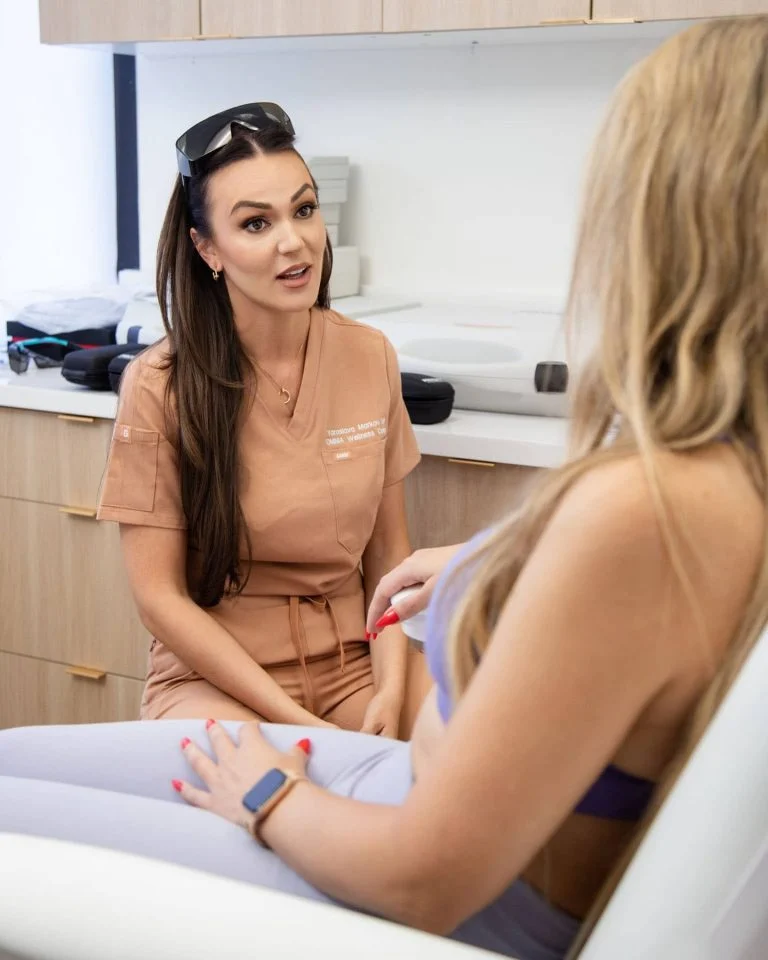
A good consultation for skin laxity is less about selling a package and more about sorting through anatomy, priorities, and timing. The provider should examine the skin at rest and in motion, from the front and profile, in neutral light if possible. They should ask about previous treatments, history of pigmentation issues, active skin conditions, medication use, recent tanning, and whether the patient can tolerate any downtime.
Expect the discussion to include texture, redness, pigmentation, volume loss, and muscle activity, because laxity rarely appears alone. This is where patients sometimes realize that what bothers them most is not actually loose skin. It may be chin projection, platysmal tension, facial fat loss, or dynamic wrinkling. Laser tightening helps the first issue only partly, and does little for the others.
A thoughtful provider will also say when Fotona is not the best answer. In day-to-day practice, that kind of restraint is reassuring. Significant jowling, heavy neck laxity, or marked skin overhang usually points toward surgery for the clearest structural correction. Many patients still choose non-surgical care, and that is perfectly reasonable, but they should do so with accurate expectations.
The treatment experience, from preparation to recovery
Preparation is usually straightforward. Most clinics advise avoiding heavy sun exposure before treatment and pausing irritating topical products such as retinoids or strong acids for a short period, depending on the protocol. If there is a history of cold https://anotepad.com/notes/hjgnxksj sores and the treatment is near the mouth, antiviral prophylaxis may be discussed. Clean skin on the day matters more than elaborate prep.
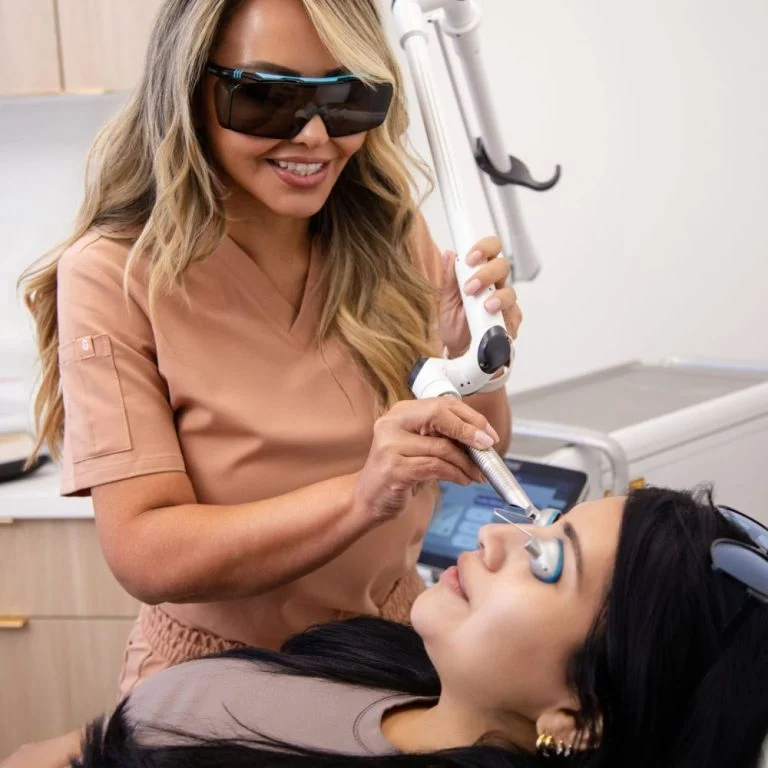
During treatment, sensation varies. Deeper heating often feels hot, prickly, or snapping, while resurfacing components can feel sharper. Topical numbing may be used in some protocols, though not always. Cooling and operator pacing make a big difference in comfort. A skilled provider reads the skin continuously, watching erythema, patient response, and tissue endpoint rather than just moving mechanically from one zone to the next.
Recovery depends on how the treatment was performed. A tightening-focused session with limited surface disruption may leave redness and mild swelling for a day or two, sometimes less. A protocol that includes more noticeable resurfacing can involve rough texture, bronzing, or peeling over several days. Patients often underestimate this part because “laser tightening” sounds gentler than “laser resurfacing,” even when the overlap is significant.
In practical terms, social downtime may range from minimal to nearly a week, occasionally longer for stronger resurfacing approaches. That should be discussed clearly before treatment, especially for anyone with public-facing work or an event coming up.
What results usually look like in real life
The most honest way to describe results is cumulative and moderate. Some patients see an early glow or mild tautness within days, but the meaningful change usually becomes easier to appreciate after several weeks. Skin can look denser, more refined, and slightly lifted. Fine wrinkling may soften. Makeup sits better. Jawline definition may improve a bit, particularly in patients who started with early laxity rather than heavy tissue descent.
The strongest responders are often patients with:
- mild to moderate laxity
- realistic expectations
- good baseline skin quality
- willingness to complete a series if recommended
- commitment to maintenance and sun protection
Age alone does not decide response, but tissue condition does. A healthy fifty-eight-year-old with modest lower-face laxity may respond better than a forty-two-year-old with severe sun damage and smoking-related collagen loss. Likewise, facial edema, chronic inflammation, or poor skincare habits can blunt results.
Many clinics recommend a series rather than a single treatment, especially when the goal is tightening rather than event prep. Exact schedules vary by protocol and individual response. Maintenance sessions are also common because skin continues to age. That is not a failure of the treatment. It is simply biology.
How Fotona compares with other tightening options
Patients often ask how Fotona differs from radiofrequency, ultrasound, microneedling RF, or more traditional ablative lasers. The answer depends on which Fotona protocol is being used. In broad terms, Fotona’s appeal lies in its adaptability. It can target tightening, texture, and surface quality within one treatment strategy, which is useful when laxity is not the only issue.
Ultrasound-based tightening tends to focus on deeper structural heating and is often chosen for lifting-oriented plans, especially along the jawline and under the chin. Radiofrequency devices can be very effective for tightening and are available in several forms, including those combined with microneedling. Microneedling RF may have an edge for acne scarring in some patients while still contributing to tightening. More aggressive ablative lasers can produce stronger surface renewal, but with more downtime and a different risk profile.
None of these technologies is universally superior. The right question is not “which device is best?” but “which modality best matches this particular pattern of aging?” In many cases, combination treatment gives the most natural result. A patient may use neuromodulators for dynamic lines, filler for support, laser for skin quality and firmness, and skincare to maintain the gains.
Safety, skin tone, and provider judgment
Laser safety depends heavily on the device, settings, indication, and operator experience. That is especially true for patients with more melanin-rich skin, where the risk of post-inflammatory hyperpigmentation may be higher depending on the approach. This does not mean darker skin tones cannot be treated. It means protocol selection becomes even more important, and conservative staging is often wise.
A rushed consultation is one of the clearest warning signs in cosmetic medicine. So is a provider who promises dramatic lifting without discussing alternatives or limitations. Skin laxity sits at the intersection of aesthetics and anatomy. Managing it well requires judgment, not just enthusiasm for a platform.
Potential side effects include redness, swelling, sensitivity, acne flares, temporary texture changes, prolonged erythema, pigment alteration, and, rarely, scarring or infection. Most are uncommon when treatment is appropriate and aftercare is followed, but they are part of the informed consent conversation. Patients with rosacea-prone skin, melasma, recent tanning, active dermatitis, or a history of abnormal wound healing need a more careful plan.
Aftercare has more influence than people think
What happens after the session can shape both recovery and final satisfaction. Freshly treated skin benefits from gentle cleansing, bland moisturization, strict sun avoidance, and broad-spectrum sunscreen once appropriate for the protocol used. Picking at dry skin or returning too quickly to strong active ingredients is a common reason for prolonged irritation.
When resurfacing is part of the plan, I have seen the smoothest recoveries in patients who keep aftercare simple. They resist the urge to “help” the skin with exfoliants, masks, or extra serums. They let the tissue heal. That sounds basic, but it matters. Cosmetic patients are often highly engaged with skincare, and over-treatment at home is surprisingly common.
There is also a psychological side to recovery. The mirror can be misleading in the first few days. Swelling may create the impression of a better result than what will remain, while dryness and flaking can make the skin look worse before it looks improved. Patients do best when they expect that temporary visual noise.
Cost, value, and deciding whether it is worth it
Pricing varies widely by region, clinic type, treatment area, and whether the session focuses on tightening alone or combines multiple laser steps. Rather than fixating on a single-session price, it is better to ask about the likely full plan. One lower-priced treatment with little chance of meeting the goal is not a bargain. A thoughtfully designed series may be better value if it addresses the problem realistically.
That said, there is a point at which repeated non-surgical spending starts to approach surgical territory without offering surgical magnitude. This comes up most often with neck laxity and advanced lower-face aging. Patients deserve honesty here. If the budget allows for either several device-based sessions every year or one definitive surgical correction, the long-term value equation may favor surgery for the right candidate.
Non-surgical care still has clear advantages. It is easier to schedule, carries less downtime, and can be very appealing for people who want gradual improvement without a dramatic change in appearance. For many professionals, parents, and patients testing the waters of cosmetic treatment, that lower barrier matters.
Who tends to be happiest with Fotona Laser Treatments
The happiest patients are usually those seeking refinement rather than rescue. They want firmer, healthier-looking skin. They are comfortable with progressive improvement. They understand that collagen remodeling is subtle, cumulative, and maintenance-based. They often appreciate texture improvement as much as tightening, which makes Fotona particularly satisfying when both concerns are present.
On the other hand, patients who are already mentally comparing themselves to a surgical result may struggle, even if the treatment technically goes well. Dissatisfaction often comes from mismatch, not poor performance. A laser can improve skin. It cannot replace structural repositioning when tissues have truly descended.
For anyone considering Fotona Laser Treatments, a few questions are worth bringing to the consultation:
- What degree of improvement is realistic for my level of laxity?
- Will this protocol focus on tightening, resurfacing, or both?
- How many sessions are usually recommended for someone like me?
- What downtime should I plan for, socially and professionally?
- If this is not the best option, what would you recommend instead?
Those questions tend to open the kind of conversation that leads to good decisions.
The bottom line on firmness, laxity, and realistic results
Fotona occupies a useful middle ground in aesthetic medicine. It is more capable than topical care and many spa treatments, less invasive than surgery, and adaptable enough to address several layers of skin aging at once. For the right patient, that can translate into noticeably firmer skin, finer texture, and a fresher appearance that still looks like their own face.
Its real strength is not magic tightening. It is controlled, customizable tissue remodeling. When the indication is right and the provider is skilled, the result often reads as healthier skin with better support rather than “obvious work.” That tends to age well, both aesthetically and psychologically.
Patients considering treatment should focus less on dramatic before-and-after promises and more on fit. How lax is the skin? What else is contributing to the concern? How much downtime is acceptable? Is the goal maintenance, correction, or delay of surgery? Those are the questions that matter. When they are answered honestly, Fotona Laser Treatments can be a smart and satisfying part of a long-term skin firmness strategy.
OMNIA Wellness Center
Address: 16430 Ventura Blvd Ste 207, Encino, CA 91436
Phone number: +18183868511
FAQ About Fotona Laser Treatments
What is a Fotona laser good for?
A Fotona Laser system is a versatile, dual-wavelength medical laser used primarily for non-surgical skin tightening, anti-aging rejuvenation, and dermatological treatments.
How much does the Fotona laser cost?
The cost of a Fotona laser depends heavily on whether you are looking to purchase a laser machine for a medical practice or are a patient seeking a laser treatment at a medspa.
Is a Fotona laser worth it?
A Fotona laser treatment is generally worth it if you want non-surgical skin tightening, improved texture, and collagen stimulation with very little downtime.